Free tool
Basement backup check for Hartford-area homes
Parts of Hartford still drain through older combined sewers, and heavy rain can push water back toward low basement drains. See where your house stands.
Five questions
How exposed is your basement?
Your basement
Answer all five questions to see where your basement stands.
Lower exposure
Your answers point to a basement with fewer backup risks. Keep grease and wipes out of the drains, and have the main line looked at if drains start gurgling during storms.
Moderate exposure
You have some of the ingredients for a backup: low drains, an older lateral or roots. A camera inspection shows the condition of the line, and a backwater valve is worth pricing if your basement is finished.
Sewer Camera Inspection Backwater Valve Installation Drain Cleaning
High exposure
Past backups plus low fixtures and no working backwater valve is the classic setup for a repeat. Have the line inspected and talk to us about a backwater valve and, if roots or a sag show up, a lateral repair.
Backwater Valve Installation Sewer Line Repair Sewer Backup Cleanout
How a backup happens in a Hartford basement
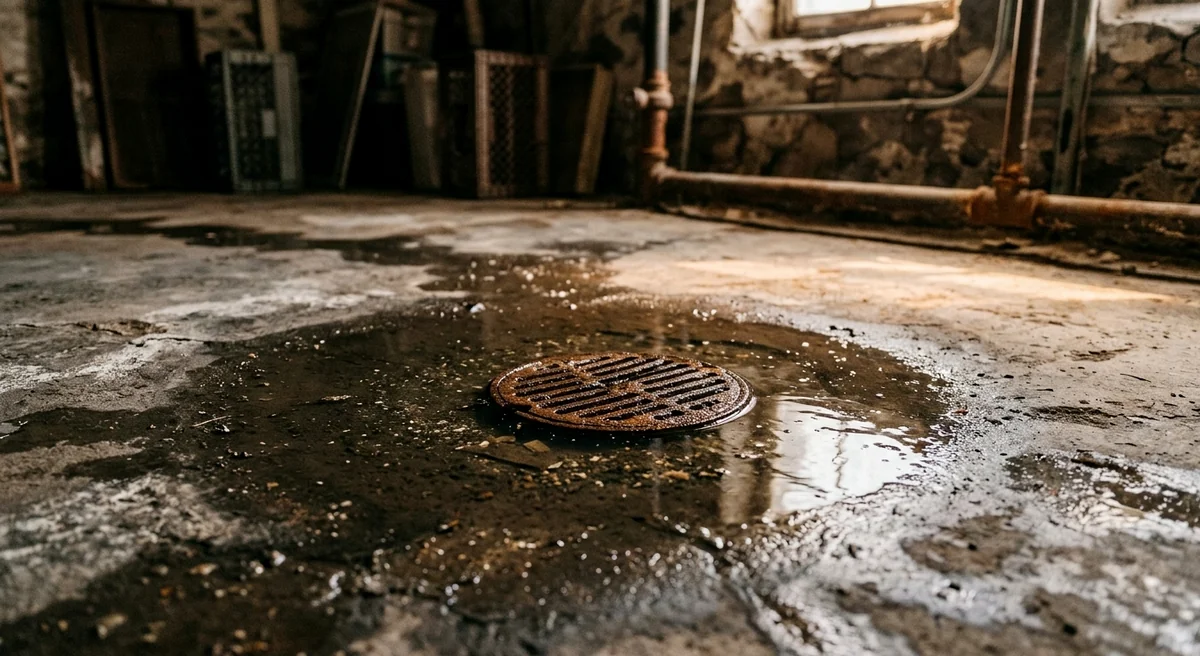
Your house drain runs out to a sewer main under the street. In older parts of Hartford some mains carry storm water and sewage together. During a heavy downpour the main can fill, and water looks for the lowest open point to escape. If that is your basement floor drain, it comes up there.
Roots, sagging clay pipe and grease in your own lateral make it worse, because even normal flow from the house has nowhere to go. That is why the check asks about trees and the age of the house.
What actually protects a basement
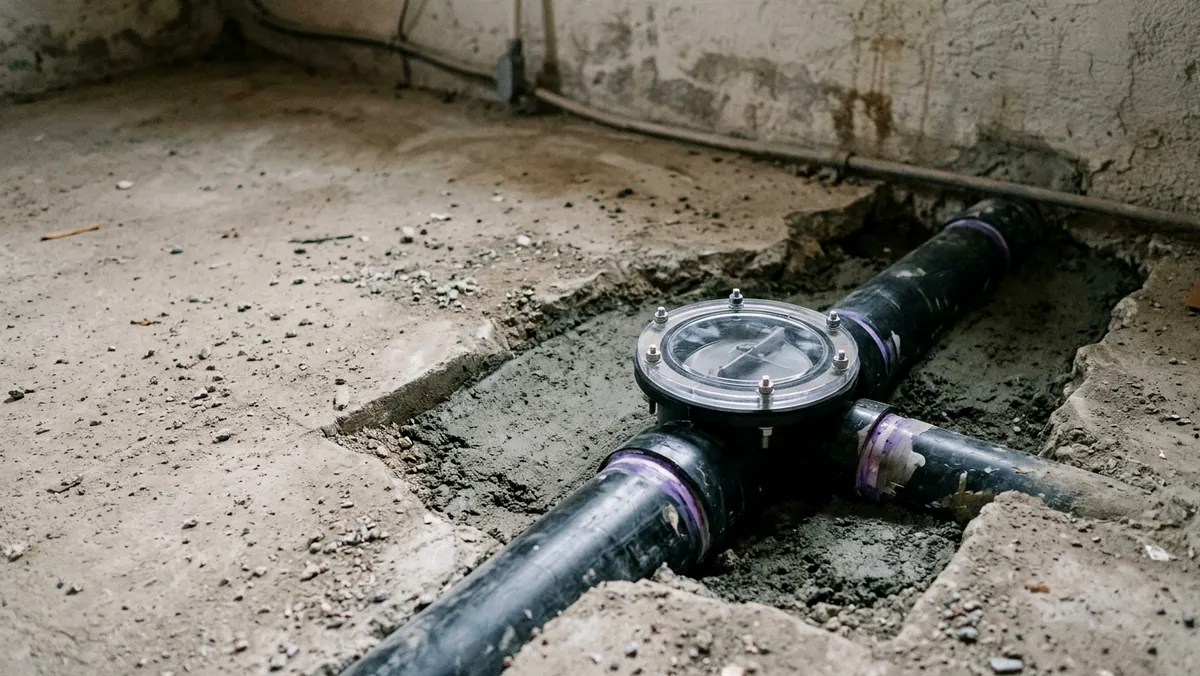
A backwater valve is a one-way flap on the main sewer line that closes when water tries to flow back toward the house. It needs a cleanout-style access cover so it can be checked and cleaned. A camera inspection tells you whether roots or a broken section are the bigger issue. Plugging unused floor drains, keeping the lateral clear and not running water during a backup also help.
FAQ
Basement backup questions
It stops sewage from the street main flowing back into the house through the protected line. It does not fix a clog in your own lateral, and while it is closed you should not run water in the house. Valves also need periodic checking so the flap seats properly.
Generally the homeowner owns the building sewer from the house to the connection at the main, and the sewer authority owns the main. If you suspect a problem in the street main, report it to the sewer authority; for the line on your property, call us to inspect and clear it.
Sewage on the basement floor?
Stay out of the water, stop running fixtures, and call. We answer 24/7.