Galvanized Pipe Replacement
Galvanized steel pipe rusts from the inside out, and by the time you see brown water or a trickle at the shower, the bore is mostly scale. Replacing it is the...
Learn morePipes & gas
A shower that trickles, a faucet that sputters or pipes that bang when a valve closes all point to a pressure problem. The fix depends on finding where the pressure is lost or gained.
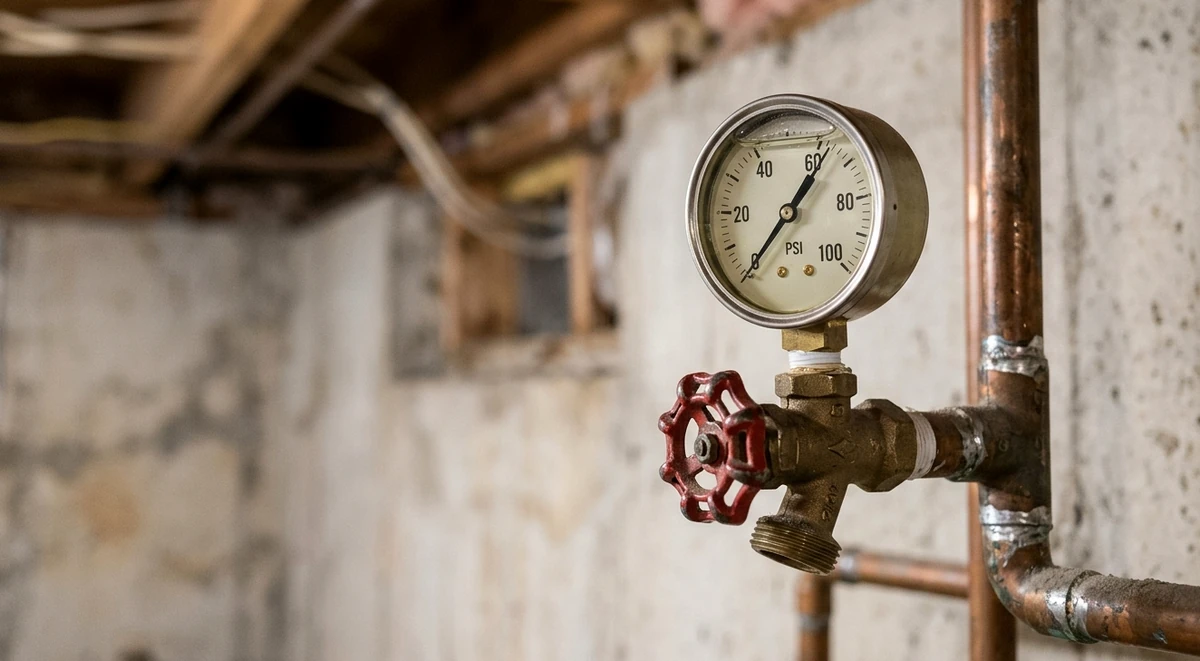
Water pressure repair means testing static and flowing pressure, finding the cause and fixing it, whether that is a failed pressure reducing valve, a partly closed main valve, clogged pipe or a fixture problem. Typical Hartford-area repairs run about $145 to $1,385. We answer 24/7, come out to test, and quote the full price before work starts.
We start with a gauge on a hose bib or the water heater drain, reading static pressure with everything off. A typical house runs comfortably somewhere around 45 to 70 psi. Then we open several fixtures and watch how far it falls. A small drop is normal; a big drop means something is restricting flow between the meter and the fixtures.
Next we compare pressure at different points. Strong at the main but weak upstairs points to the house piping. Weak everywhere, even before the meter, means the issue may be on the utility side or in the service line, and we tell you who to call. One weak fixture usually comes down to that fixture's cartridge, aerator or supply stop.
In older Hartford homes, the most common cause is galvanized supply pipe narrowed by rust and scale, especially on the hot side. Next are main shut-off valves that were never fully reopened after a repair, or old gate valves whose internal wedge has dropped and blocks part of the opening. Clogged aerators, shower heads and cartridges loaded with debris come right behind.
A failed pressure reducing valve, if your house has one, can also choke flow. Kinked flexible connectors under sinks, undersized branch lines feeding newer bathrooms, and a partly clogged water filter cartridge round out the list. We work from the main outward, checking each so you are not paying to replace pipe when a valve is the real culprit.
High pressure is less obvious but harder on the house. Above roughly 80 psi, fixtures wear faster, toilet fill valves hiss, washer hoses can burst and water hammer gets worse. Some homes have pressure reducing valves that slowly fail open over the years, letting street pressure straight through, which shows up as a gauge reading higher than it used to.
We replace or adjust the pressure reducing valve, set it to a comfortable range and check that the water heater has thermal expansion control, since a working PRV makes a closed system. We also add water hammer arresters near quick-closing valves like the washer and dishwasher. Afterward we retest the pressure and run fixtures to make sure the banging is gone.
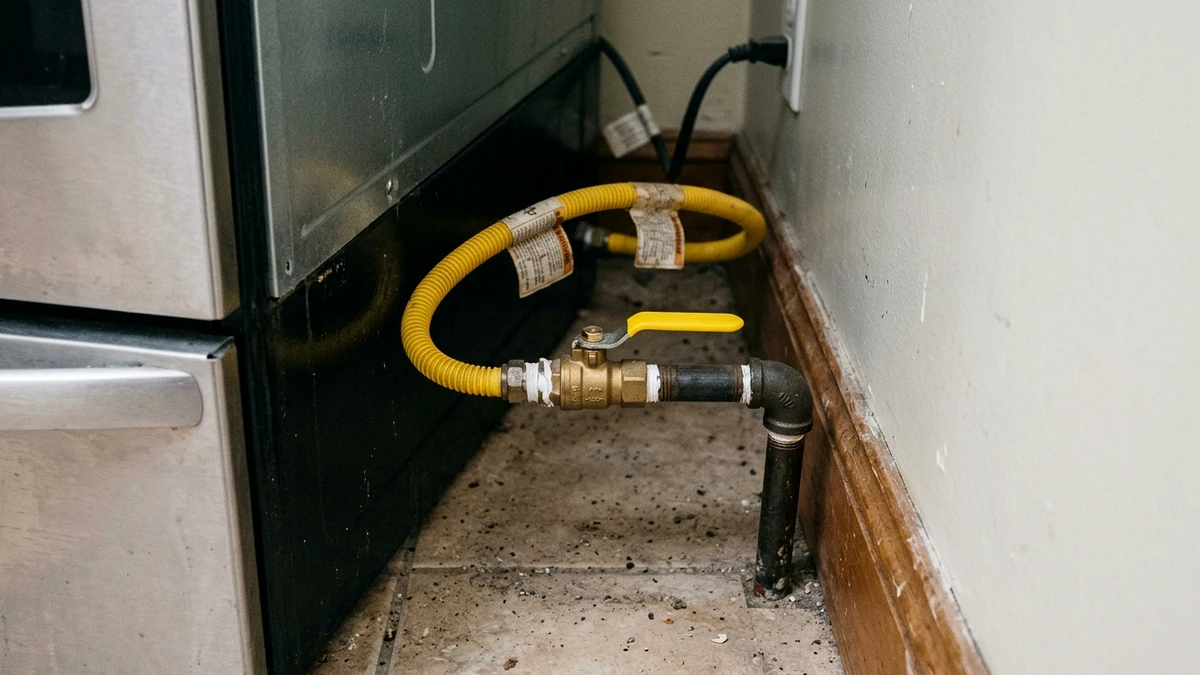
Pressure complaints in Hartford often trace back to galvanized supply pipe in houses built before the 1960s, especially in two- and three-family homes where the top floor sits farthest from the meter. Old gate valves at the main are another frequent cause. Homes in Vernon, Ellington and Tolland on private wells have a different setup: pressure there comes from the well pump and pressure tank, so we check the switch and tank first.
A clogged aerator or valve is inexpensive; a new pressure reducing valve or a repiped section costs more. Typical Hartford-area range, confirmed on site before work starts. Compare all prices.
Process
We read static and flowing pressure at the main and at the problem fixtures.
We check valves, the PRV, pipe and fixtures, then explain and price the fix before work starts.
We replace the failed valve, clear the restriction or repipe the choked section.
We confirm pressure is in range, run every fixture and clean up the work area.
FAQ
Each floor up loses some pressure to height, and the top unit is farthest from the meter. If the supply piping is old galvanized steel, scale buildup makes that loss much worse. A shared main that is too small for three apartments can also do it. We test pressure on each floor to see where the drop happens before suggesting water pressure repair.
Usually, yes. That bang is water hammer, a pressure shock when a fast valve slams shut. Lowering high house pressure, adding water hammer arresters at the washer and dishwasher and strapping loose pipes typically quiets it. We test pressure first, because hammer is much worse in homes running above about 80 psi.
It depends on where the pressure drops. If pressure is low before the meter, the issue may be on the utility side or in the service line, and we tell you so. If it is normal at the main but weak at fixtures, the problem is in the house plumbing. A pressure test at both points answers this quickly.
Related work
Galvanized steel pipe rusts from the inside out, and by the time you see brown water or a trickle at the shower, the bore is mostly scale. Replacing it is the...
Learn moreWhen every fix uncovers another pinhole or rusty joint, patching stops making sense. Repiping swaps the tired supply lines in your house for new ones in a...
Learn moreWhen water heats up it expands, and if it has nowhere to go, pressure spikes every time your heater runs. A dripping relief valve or a hissing toilet is often...
Learn moreA plumber answers, day or night, and gives you a price before any work starts.