Leaking cast-iron stacks
Rusted hubs and cracked sections in old stacks leak into ceilings, and the smell of sewer gas is often the first sign.
Hartford neighborhood
Clay-Arsenal sits just north of downtown, and its name comes from two older districts. Clay Hill, west of Main Street, was named for the clay soil on its gentle rise above the city, and the Arsenal side to the east takes its name from the State Arsenal that once stood near North Main and Pavilion Streets. Streets like Bellevue, Mather, Edwards and Winter are lined with the multi-family houses that went up here in the late 1800s, many with Queen Anne and Italianate detail.
Most of our work in Clay-Arsenal is on two- and three-family buildings that have been through a century and more of tenants, repairs and patches. That means cast-iron stacks that weep at the joints, boilers serving several apartments at once and shared drains that clog for everyone when one kitchen line backs up. Our office on Pearl Street is a few minutes away, so we answer (860) 926-8723 24/7 and send our own plumber with parts for older city buildings.
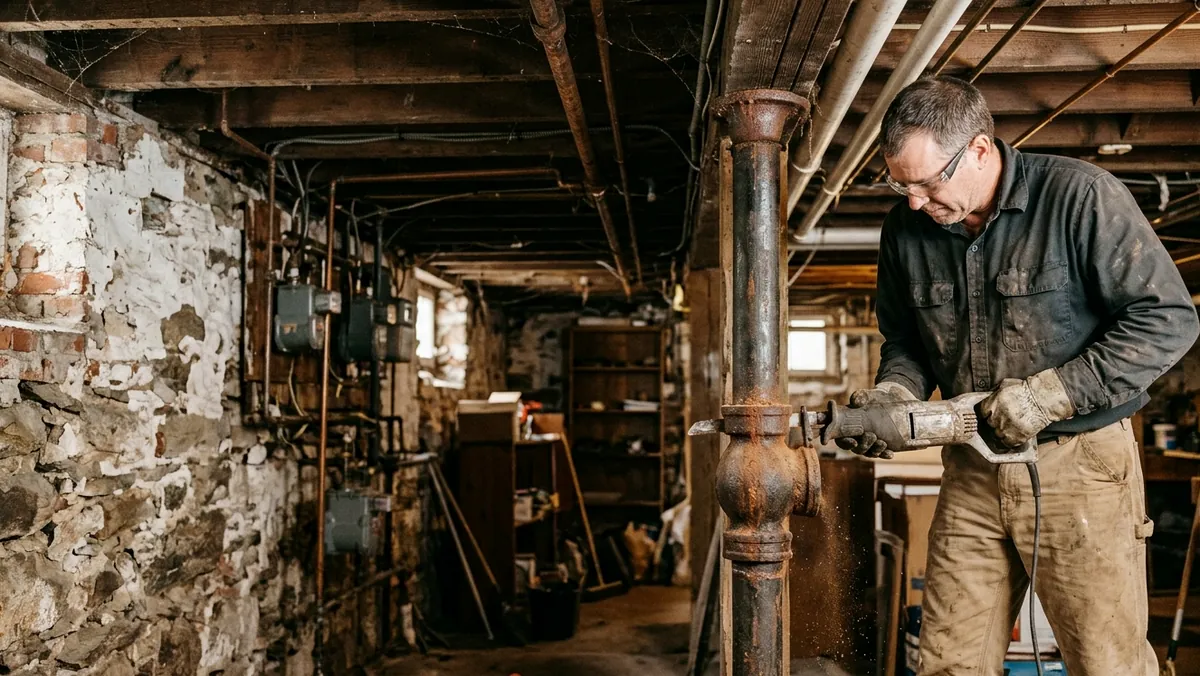
Housing in Clay-Arsenal is mostly late-1800s and early-1900s multi-family buildings, from frame two- and three-family houses to brick rowhouses, mixed with newer infill homes. Older buildings often have cast-iron drain stacks running through every floor, a mix of galvanized and copper supply lines and boilers in shared basements. Water and sewer come from the MDC. Many buildings never had a proper outside cleanout, so clearing the main line means working from inside the basement.
Rusted hubs and cracked sections in old stacks leak into ceilings, and the smell of sewer gas is often the first sign.
When a shared boiler quits on a winter night, every apartment in the building loses heat at once.
Grease and wipes from several units build up in one main line, so a single blockage backs up the lowest apartment.
Without a cleanout near the foundation, a main line clog has to be cleared through a toilet or an old trap fitting.
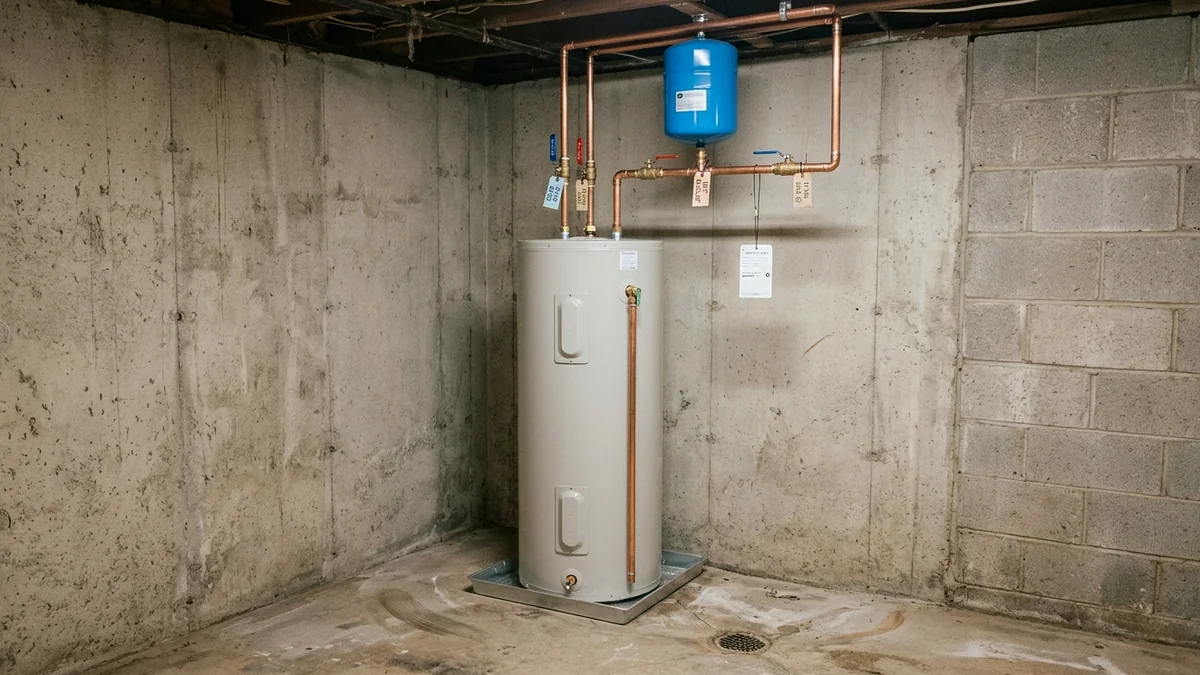
Most requested here
Old cast-iron drain lines can split along the bottom, rust through at the hubs or start weeping sewer gas into the basement. We replace the bad sections before...
Learn moreWhen the boiler quits on a January night, the radiators go cold fast and the pipes are next. We repair steam and hot-water boilers, from the burner to the last radiator.
Learn moreWhen a pipe leaks in a three-family house, it is rarely one apartment's problem. Landlords need fast, organized repairs that keep units livable and tenants informed.
Learn moreA cleanout is a capped opening into your sewer line that lets a plumber run a cable or camera without pulling a toilet or cutting pipe. Many older houses have...
Learn moreFAQ
Often yes. If the camera and a visual check show that most of the stack is still sound, we cut out the cracked or rotted section and tie in new pipe with proper couplings and supports. If the stack is failing on several floors, a full replacement usually costs less over time. We show you what we find and quote the price before work starts.
For a multi-family building with repeat main line clogs, it usually is. A cleanout near the foundation lets us clear the line and run a camera without pulling a toilet or working through a tenant's apartment. It also makes future sewer work faster. We check where the main leaves the building and quote the install before we dig or cut.
Call any hour. A plumber answers and gives you a price on site before work starts.