Garbage Disposal Repair & Install
The disposal hums but will not spin, it drips onto the cabinet floor, or it went silent mid-cleanup. Some of these take ten minutes to fix, and some mean the...
Learn moreKitchen & bath
The new dishwasher or washer has arrived, but the old hookup leaks, the drain is in the wrong spot, or there is no shut-off at all. Bad appliance connections cause a large share of the water damage we see.
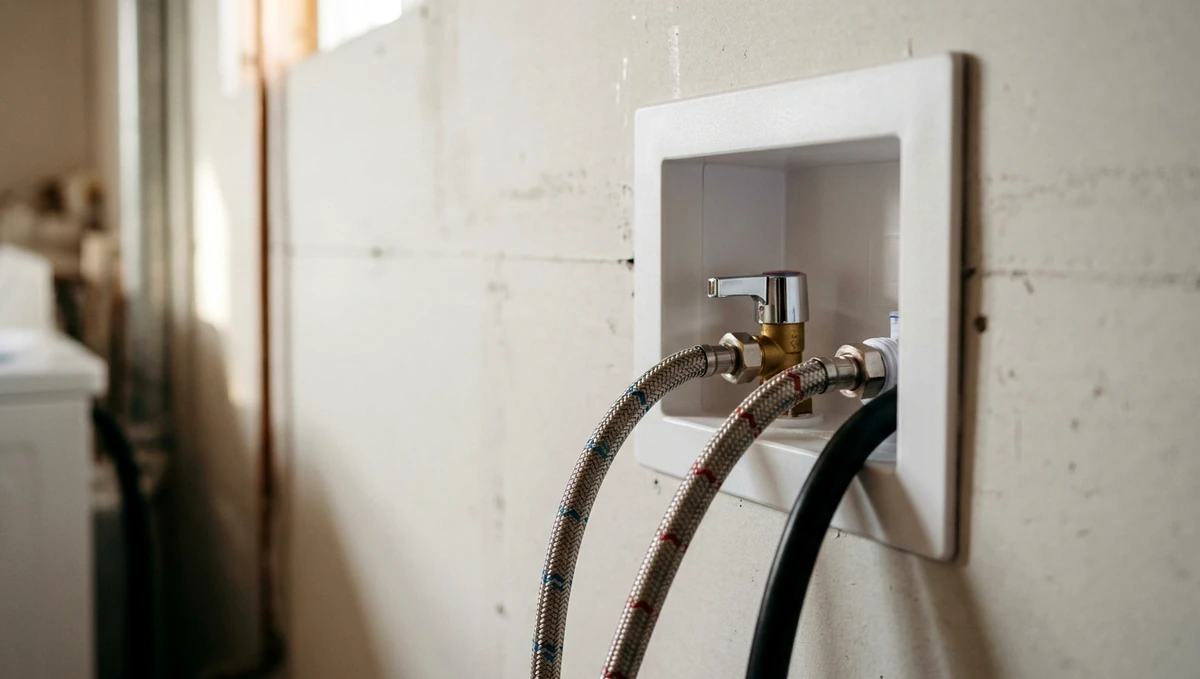
Appliance hookups connect dishwashers, washing machines, ice makers and similar appliances to water supply and drain lines, with proper valves, hoses, air gaps and standpipes. Typical Hartford-area hookups run about $165 to $485, more if new lines must be run. We answer 24/7 and most hookups are done in a short single visit.
A dishwasher needs a hot water supply, usually from a dual-outlet stop or a tee under the kitchen sink, a drain connection to the disposal or a branch tailpiece, and power. The drain hose must rise in a high loop to the underside of the counter, or run through an air gap, so dirty sink water cannot siphon back into the tub. We use a braided stainless supply line and replace a worn stop while we are there.
The dishwasher has to be fastened to the counter or cabinet sides so it cannot tip forward when the loaded door drops, and it has to be leveled so the door seals and the tub drains fully. A new disposal needs its knockout plug removed before the dishwasher hose goes on, a step that is easy to miss. We run a short cycle and check every connection with a flashlight.
Washing machines connect to hot and cold valves, either in a recessed outlet box or on exposed pipe, and drain into a standpipe or laundry sink. Old black rubber fill hoses are a common cause of flooded laundry rooms because they crack and burst without warning. We install braided stainless hoses and suggest replacing them every few years, since even braided hoses age.
The standpipe needs to be the right height and diameter, with a trap and a vent behind it. Too short and the washer can siphon water out mid-cycle; too narrow and it overflows when the pump runs. An outlet box with a single-lever shut-off lets you close both valves at once before a vacation. In finished spaces, a drain pan under the washer gives a slow leak somewhere to go.
Refrigerators with ice makers and water dispensers need a cold line with its own shut-off. Old saddle valves, which clamp onto a pipe and pierce it with a needle, are known for leaking and clogging. We remove them and install a proper tee and quarter-turn valve, then run braided or copper line to the fridge instead of thin plastic tubing that kinks behind the unit.
Other appliances, like under-sink filters, instant hot water dispensers and steam ovens, may need water and sometimes a drain. We follow the maker's installation sheet for each. When a laundry moves from the basement to an upper floor, we plan the drain, vent and supply runs, and recommend a pan with a drain line, since a leak on the second floor travels a long way.
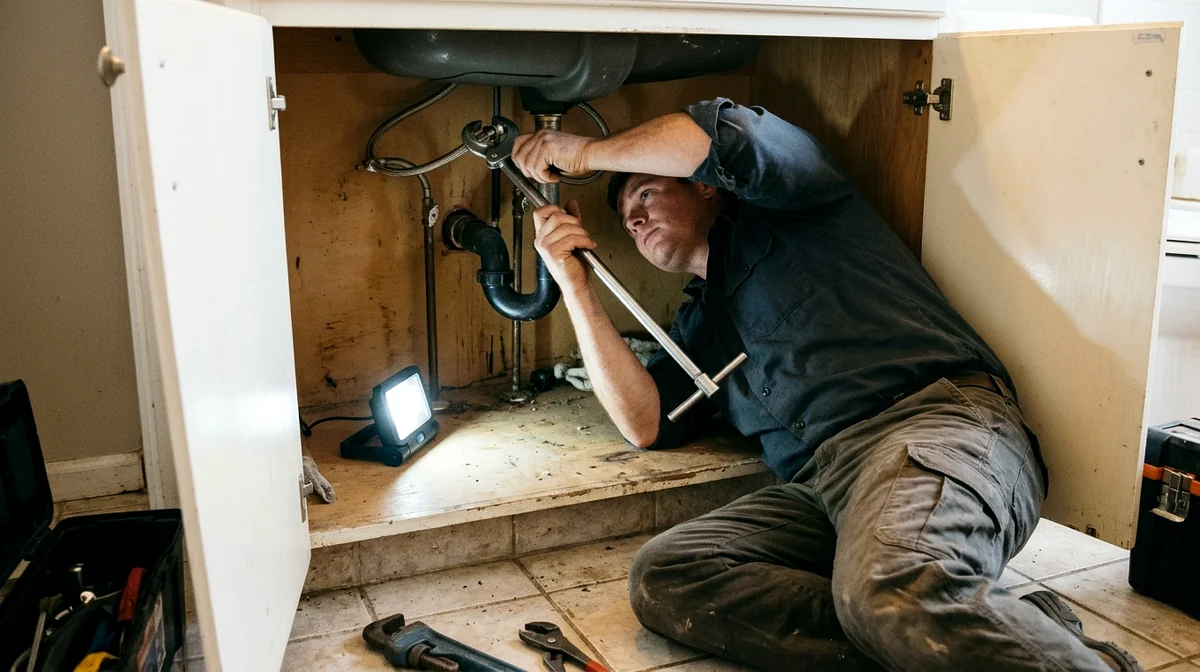
Many Hartford-area kitchens and laundries in older homes still have original valves and rubber hoses that are overdue for replacement. In two- and three-family buildings, laundry may be in a shared basement or added to a unit years later, and the drain and venting are not always right. Homes on wells east of the river may see sediment that clogs inlet screens on new washers and dishwashers. We hook up appliances in Hartford, East Hartford, Manchester, Vernon and nearby towns.
Whether new valves, drains or lines are needed, and the distance from existing plumbing, change the price. Typical Hartford-area range, confirmed on site before work starts. Compare all prices.
Process
We check existing valves, drains and power, and confirm the appliance fits and connects properly.
We replace worn valves, add a tee or outlet box, and set the standpipe or drain as needed.
We connect supply and drain lines, set high loops or air gaps, and secure the appliance.
We run a test cycle, check every connection for leaks and clean the area.
FAQ
Most dishwasher hookups take one to two hours, and a washer hookup takes about an hour if good valves and a proper standpipe are already there. Adding a valve, an outlet box or new lines takes longer. A full new laundry location can take a day or more. We tell you what to expect before starting.
We disconnect the old appliance as part of the hookup and move it out of the way. Hauling it off the property depends on size and access, and many stores take the old unit when they deliver the new one. Ask when you call, and we will tell you what we can take with us.
Yes. Rubber fill hoses can crack and burst with no warning, sometimes while nobody is home. Braided stainless hoses hold up much better. We recommend new hoses with every new washer, replacing them every few years after that, and closing the valves when you leave home for a long trip.
Related work
The disposal hums but will not spin, it drips onto the cabinet floor, or it went silent mid-cleanup. Some of these take ten minutes to fix, and some mean the...
Learn moreA new countertop, a cracked basin, or a laundry room that needs a utility sink. Swapping a sink looks simple until the drain height, trap arm and old stops get involved.
Learn moreWhen a pipe breaks, the main shut-off is the one valve that has to work. In a lot of older houses it is a crusty gate valve that has not turned in years, or it...
Learn moreA plumber answers, day or night, and gives you a price before any work starts.