Water Heater Repair
No hot water, a shower that goes cold in two minutes, or a tank making popping noises. Most of the time a water heater can be repaired, and the trick is...
Learn moreWater heaters
The tank is leaking from the bottom, or it is old enough that every repair is money down the drain. A replacement done right means the right size, safe venting and a setup that lasts.
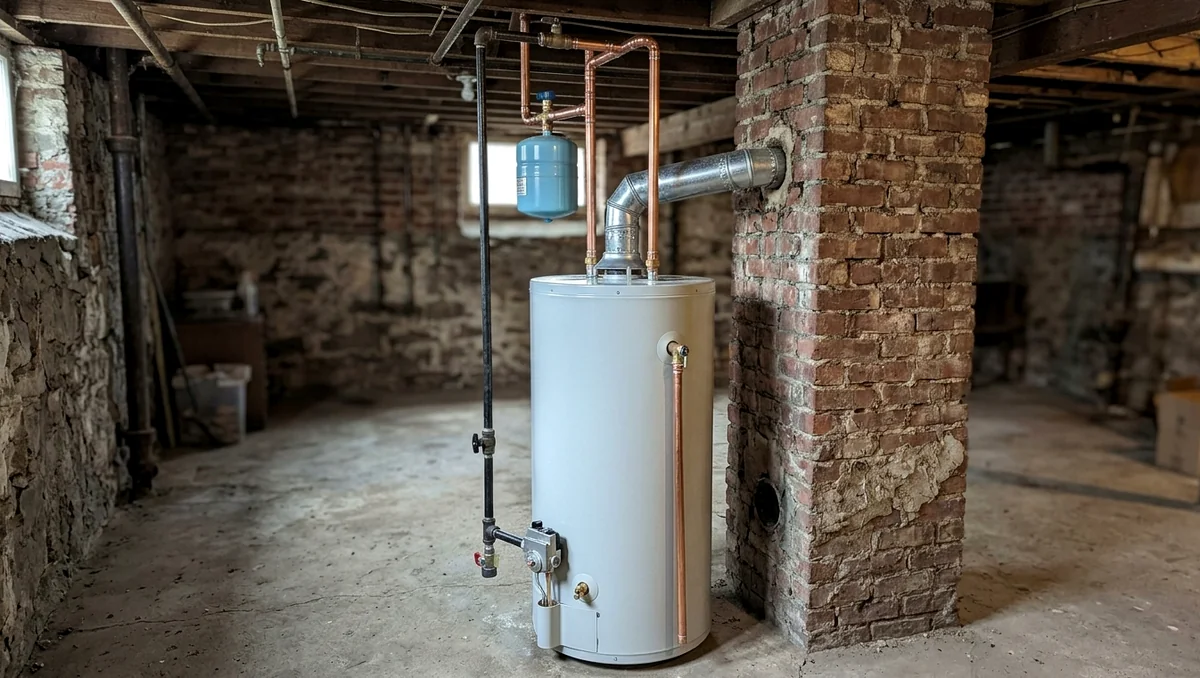
Water heater replacement removes a failed or aging tank and installs a new gas, electric or power-vent heater with proper venting, valves, expansion control and a new relief valve and discharge pipe. Typical Hartford-area replacements run about $1,685 to $3,485 installed. We answer 24/7 and can often replace a leaking tank within a day or two.
Tank size should match how your household uses hot water at the busiest time, usually mornings. A typical three- to four-person home often uses a forty- or fifty-gallon gas tank, or a larger electric tank because electric heaters recover more slowly. We look at the number of bathrooms, tub sizes and laundry habits before recommending a size.
If gas is already in the house, a gas tank usually recovers faster and costs less to run. If gas is not available or venting is a problem, an electric tank or a heat pump water heater may be better. We also talk about whether a tankless unit or an indirect tank on your boiler would suit your home, so you can compare before deciding.
Atmospheric gas heaters vent into a chimney or vent pipe using natural draft. When an old furnace or boiler is replaced with a high-efficiency unit that vents through the wall, the water heater can be left alone on an oversized masonry chimney, which may not draft properly. We check the chimney liner and draft and recommend a liner or a power-vent heater if needed.
Every install gets a properly sized temperature and pressure relief valve with a discharge pipe ending near the floor, a gas shut-off and sediment trap on gas units, a dielectric or proper transition at the water connections, and a thermal expansion tank where the system is closed. We also check that the gas line can supply the new heater.
We shut off gas or power and water, drain the old tank and carry it out. The new heater goes in on a level base, with new supply connections, a new shut-off valve on the cold side if the old one is worn, and new venting connectors. Gas joints are leak tested, and the burner flame and draft are checked once it fires.
We fill the tank before turning on gas or power, so electric elements are never fired dry. We set the temperature at a safe level for scald protection, usually around 120 degrees, and show you the controls. The old heater is hauled away. A permit and inspection may be required in your town, and we handle that when it applies.
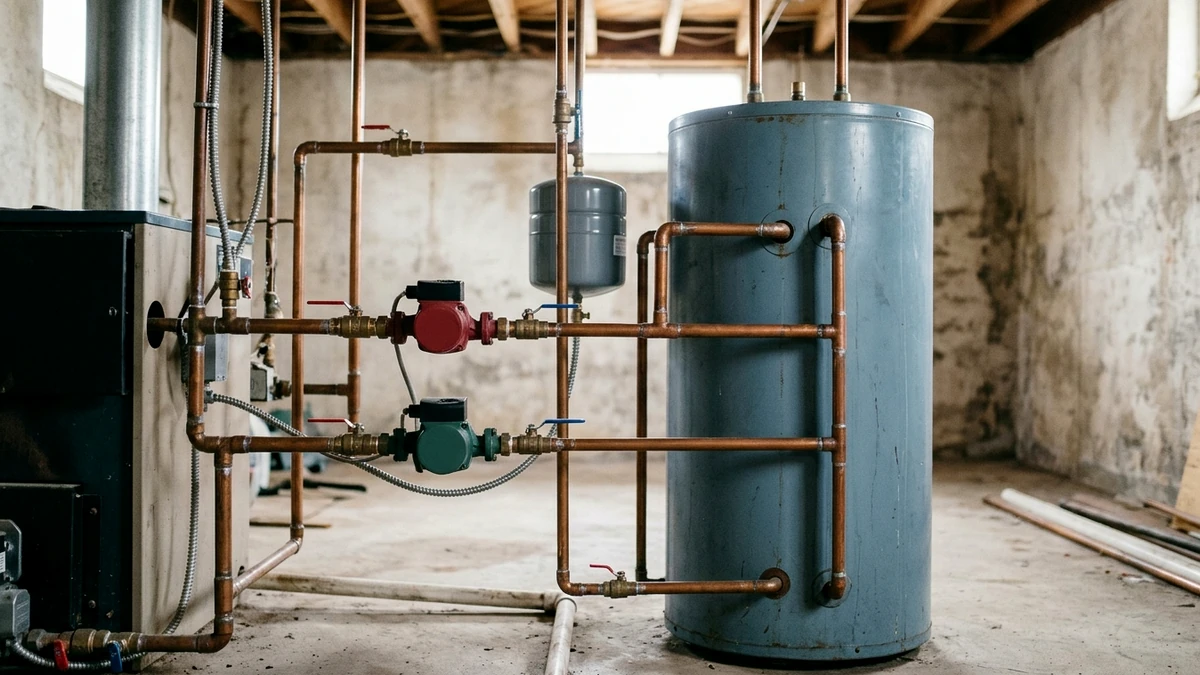
Many Hartford-area basements have water heaters venting into old masonry chimneys that once also served a furnace or boiler, so venting checks are part of every replacement we do. Older two- and three-family houses often have one heater per apartment lined up in the basement, and we can replace them one at a time or plan a coordinated changeout. For efficiency upgrades like heat pump water heaters, check current Energize CT offers before buying.
Tank size, fuel type, venting changes, gas line work and access to the basement change the price most. Typical Hartford-area range, confirmed on site before work starts. Compare all prices.
Process
We look at the old heater, venting, gas or electric supply and your hot water use to pick the right unit.
You get a written price for the heater and install, and we set a time, often within a day or two.
We drain and remove the old tank, set the new one and connect water, gas or power, venting and safety valves.
We fill, fire, test draft and leaks, set the temperature and take the old heater away.
FAQ
A straightforward tank swap usually takes three to five hours, including removal of the old heater and testing. Venting changes, gas line work, tight access or a heater in a finished space can add time. We tell you what to expect when we quote the job.
Many towns require a permit for water heater replacement, especially for gas units, and some require an inspection. Requirements vary by town. We know the local process for the towns we work in and handle the paperwork when it applies, so the job is done to code.
Tankless units give continuous hot water and save space, but they cost more up front and often need gas line and venting upgrades. For many homes, a properly sized tank is the best value. We price both so you can compare, and explain how each would fit your house.
Related work
No hot water, a shower that goes cold in two minutes, or a tank making popping noises. Most of the time a water heater can be repaired, and the trick is...
Learn moreYou want hot water that does not run out halfway through the second shower, and you want the basement floor space back. A tankless heater can do both, if the...
Learn moreYour electric water heater is costing more every month, or you are moving away from fossil fuel. A heat pump water heater uses far less electricity, but it has...
Learn moreA plumber answers, day or night, and gives you a price before any work starts.