Frozen Pipe Thawing & Repair
You turn on the kitchen faucet on a frigid morning and get a trickle or nothing at all. A frozen pipe is a warning, and thawing it the right way is the...
Learn morePipes & gas
An outdoor faucet that drips, sprays from the handle or floods the basement the first time you hook up a hose in spring usually split during the winter. It is a small part with a big potential mess.
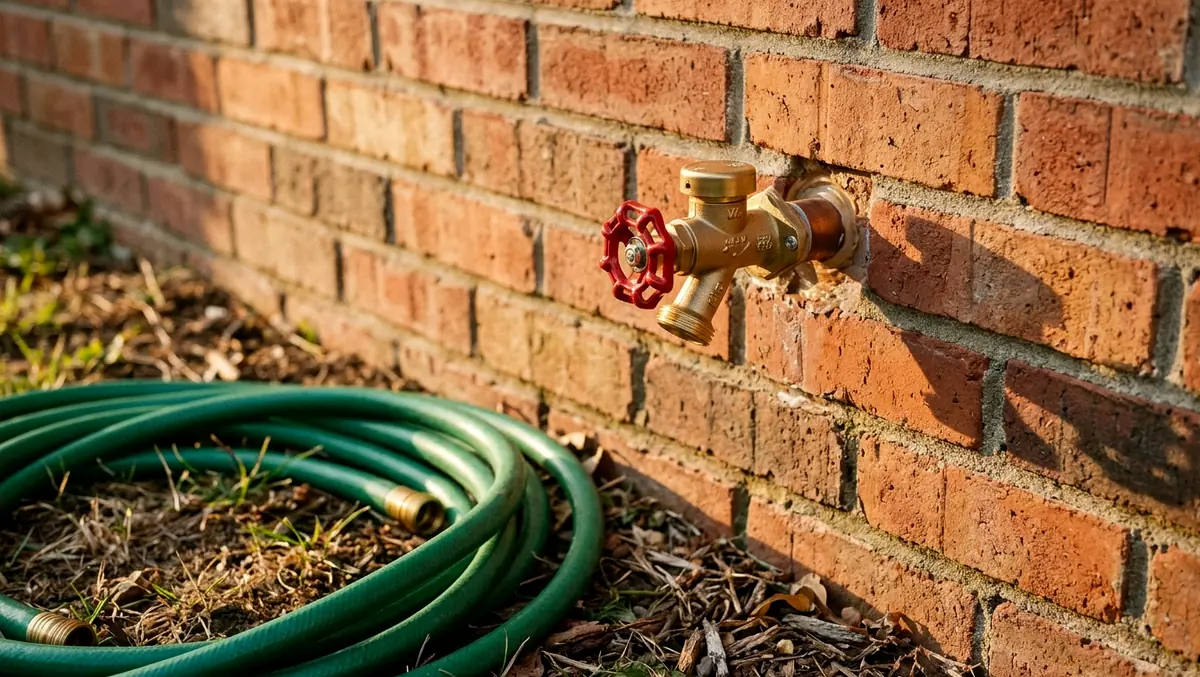
Outdoor faucet and sillcock repair fixes or replaces the hose spigot on the outside of your house, often upgrading to a frost-proof model with an inside shut-off. Typical Hartford-area costs run about $165 to $595. We answer 24/7, can come quickly if water is pouring into the basement, and quote the full price before work starts.
A standard outdoor faucet has its shut-off washer right at the outside wall, so water sits in the short pipe behind it all winter. When temperatures drop well below freezing, that water freezes and expands, and the pipe or the faucet body splits. Nothing leaks until spring, when you open the valve and water sprays into the wall cavity or the basement ceiling.
Frost-proof sillcocks put the shut-off valve 6 to 14 inches inside the heated house, at the end of a long stem. When you close the handle, the water stays indoors and the barrel drains. They still split if a hose is left attached, because the hose traps water in the barrel. Disconnecting hoses every fall matters as much as the faucet type.
A drip from the spout or a leak at the handle can often be repaired. We replace the stem washer, the packing nut washer or the vacuum breaker cap, which are inexpensive parts. If the faucet body is cracked, the seat is eroded, or the stem will not seal anymore, replacement is the better move because repairs on worn faucets rarely last.
When we replace a sillcock, we match the stem length to your wall thickness so the valve sits inside the heated space, slope it slightly downward so it drains, and seal the opening on the outside to keep cold air and bugs out. Brick houses and fieldstone foundations sometimes need a longer frost-proof model or a little extra masonry work at the hole.
Many older houses have no shut-off valve on the pipe feeding the outdoor faucet, so the only way to stop a split is to close the main for the whole house. We add a quarter-turn valve with a drain cap on the supply line inside the basement. Every fall you close it, open the outside faucet and drain the line, and the pipe stays empty through the cold months.
While we are there, we check the pipe running to the faucet. Lines that pass through an unheated crawl space, a garage wall or the rim joist near the sill plate are the ones that freeze. We can reroute them, add insulation, or suggest moving the faucet a few feet to a warmer spot in the foundation.
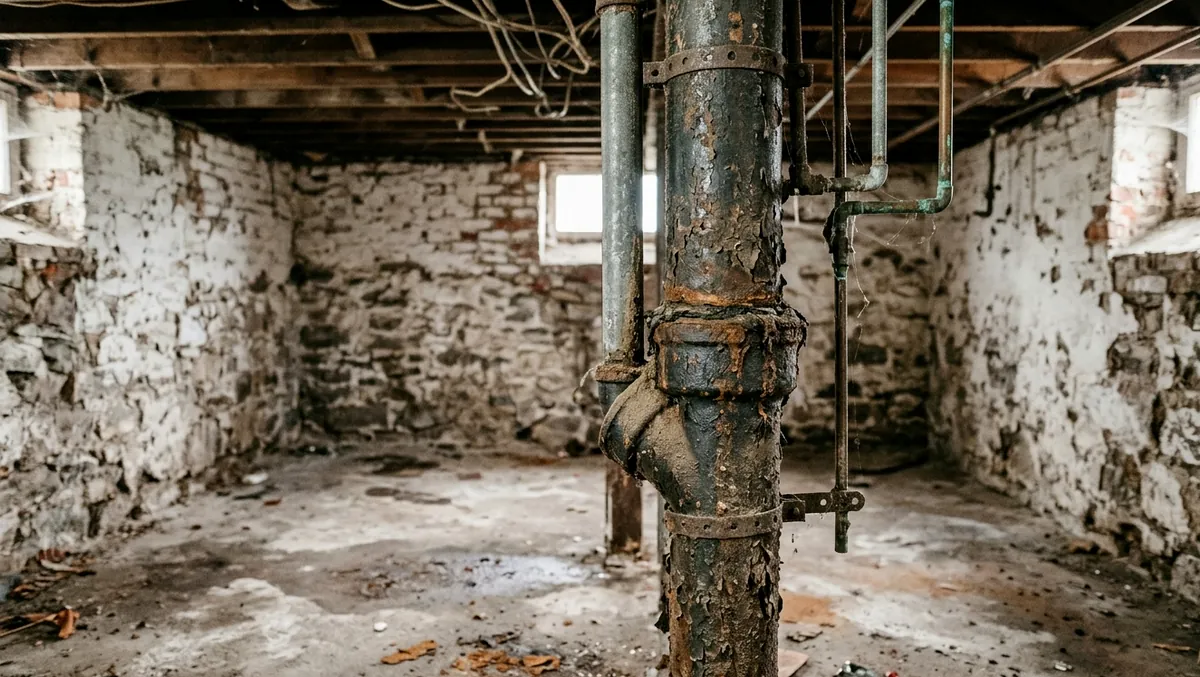
Hartford winters freeze outdoor faucets every year, and the first warm April weekend brings calls from homeowners who just turned on the hose. Older two- and three-family houses often have spigots on the rear porch or the side of the foundation with no inside shut-off, fed through cold rim joists. Brick and fieldstone walls are thicker than modern framing, so a correctly sized frost-proof stem matters more here.
Whether the faucet can be repaired, the wall material and whether we add an inside shut-off or reroute the pipe move the cost. Typical Hartford-area range, confirmed on site before work starts. Compare all prices.
Process
Call (860) 926-8723 and we walk you through closing the right valve if water is spraying indoors.
We look at the stem, the body and the pipe behind it, and quote repair or replacement before work starts.
We swap washers or install a properly sized frost-proof sillcock, sloped and sealed at the wall.
We run the faucet, check inside for drips, add an inside shut-off if needed and clean up.
FAQ
Water left in the pipe or faucet barrel froze and split it, usually in January or February. You will not see the damage until you open the faucet in spring and water escapes into the wall or basement. A frost-proof sillcock with the hose disconnected each fall, plus an inside shut-off you close and drain, is the usual cure.
Yes, if a hose is left attached, if the faucet is installed level or sloped backward so water cannot drain, or if the stem is too short and the valve sits inside a cold wall. We size the stem to your wall, set it with a slight downward pitch and remind you to remove hoses before the first hard freeze.
Most sillcock replacements take one to two hours. Brick or stone walls that need a larger hole, or a pipe that has to be rerouted to a warmer spot, can add time. If we also add an inside shut-off valve with a drain cap, that usually fits within the same visit.
Related work
You turn on the kitchen faucet on a frigid morning and get a trickle or nothing at all. A frozen pipe is a warning, and thawing it the right way is the...
Learn moreA pipe has split and water is running into the walls, ceiling or basement. Every minute adds to the damage, so the first job is stopping the flow and the...
Learn moreYour water bill jumped, a stain keeps spreading on the ceiling, or you hear water running when nothing is on. The leak is real, but it is hiding, and guessing...
Learn moreA plumber answers, day or night, and gives you a price before any work starts.