Water Heater Replacement
The tank is leaking from the bottom, or it is old enough that every repair is money down the drain. A replacement done right means the right size, safe venting...
Learn moreWater heaters
No hot water, a shower that goes cold in two minutes, or a tank making popping noises. Most of the time a water heater can be repaired, and the trick is knowing when it should not be.
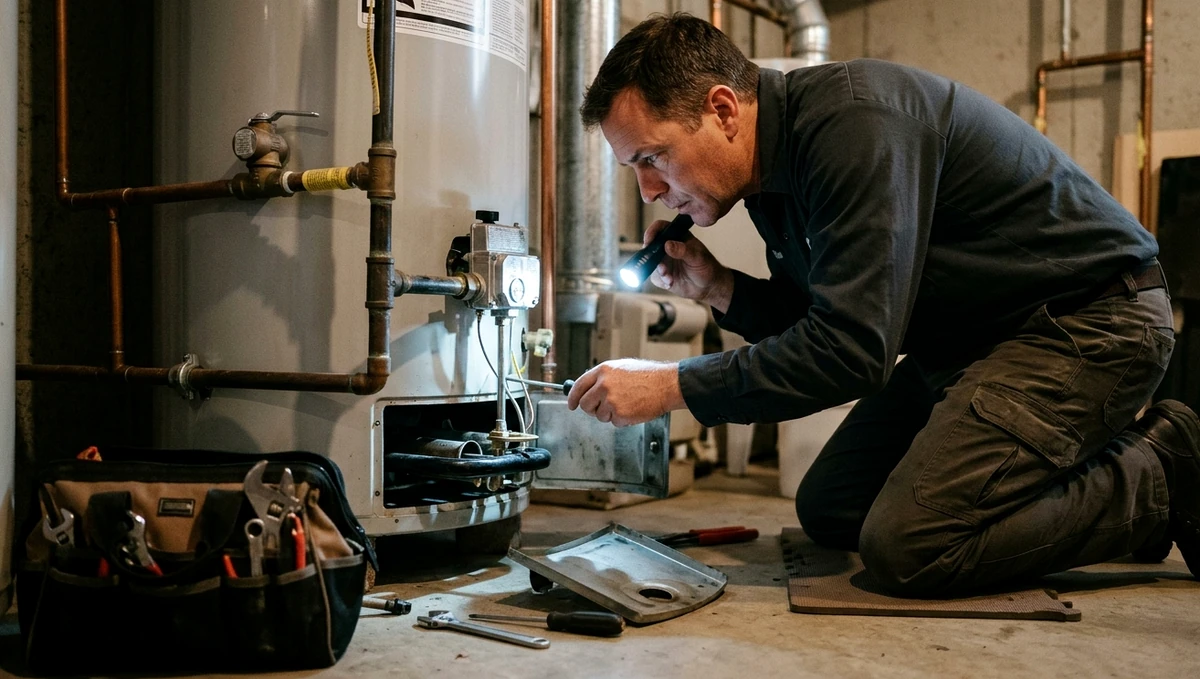
Water heater repair diagnoses and fixes problems with gas or electric tank heaters, such as pilot and burner failures, bad elements or thermostats, relief valve leaks and sediment. Typical Hartford-area repairs run about $165 to $585. We answer 24/7, carry common parts on the van and fix most no-hot-water calls the same visit.
On a gas tank, the usual culprits are a thermocouple or thermopile that no longer holds the gas valve open, a dirty pilot assembly, a bad gas control valve or a flame sensor on newer models. Venting problems also shut heaters down: a blocked flue, a disconnected vent pipe or a draft hood that spills combustion gases into the room are all safety issues we check every time.
Power-vent heaters add a blower and pressure switch, and those fail too. A clogged condensate line, a cracked vent hose to the pressure switch or a blocked intake screen can stop them cold. We check gas pressure, burner flame and venting before replacing parts, because swapping a thermocouple on a heater with a venting problem only hides the real issue.
Electric tanks usually have two heating elements controlled by two thermostats. When the upper element fails, there is no hot water. When the lower element fails, the tank produces a small amount of hot water that runs out fast. We test each element for resistance and each thermostat for continuity with a meter and replace only what has failed.
Tripped high-limit switches are also common. They often reset, but a limit that trips repeatedly means a thermostat is stuck or an element is grounded. Sediment buildup can bury the lower element and burn it out. We check the breaker and wiring at the heater too, since loose connections cause heat damage and intermittent failures.
Most tank heaters last somewhere around eight to twelve years, though conditions vary. If yours is in that range and needs a costly part, replacement is often the better spend. A tank that leaks from the body itself cannot be repaired: the glass-lined steel inside has rusted through and the heater needs to be replaced.
We look at the age on the serial number, the anode rod, the amount of sediment and the overall condition before advising you. If the heater is younger and the problem is a part, we repair it. If it is older and failing in ways that will keep repeating, we tell you plainly and price the replacement next to the repair so you can decide.
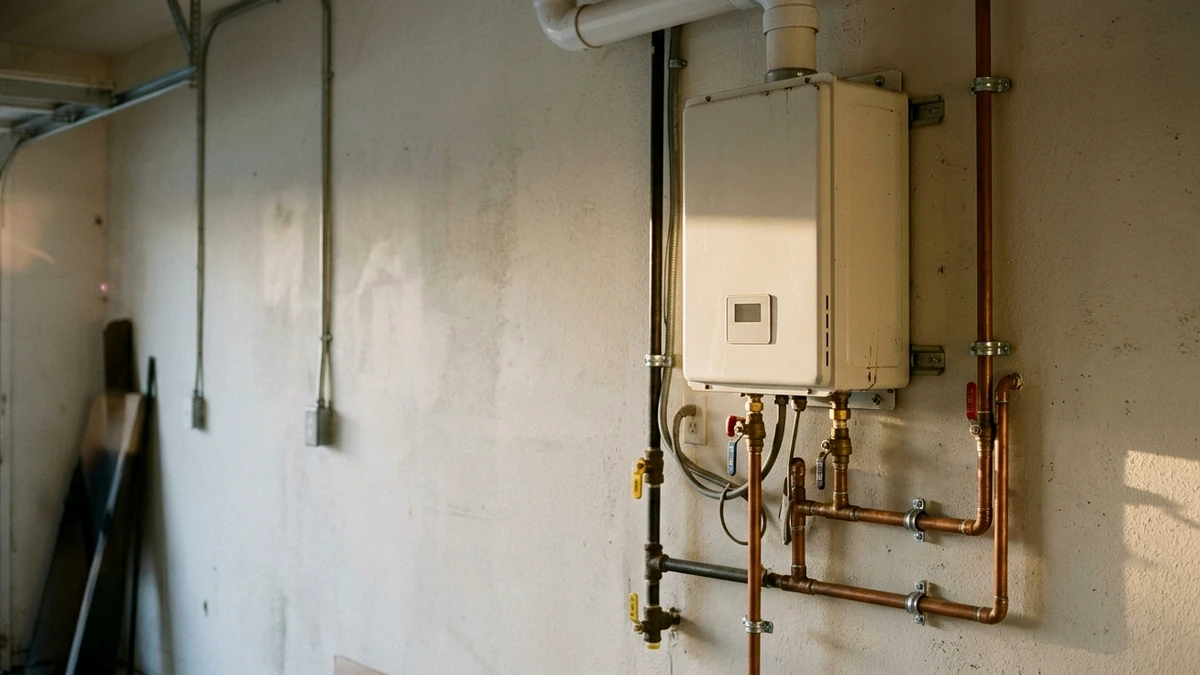
In Hartford and the older towns around it, many tank heaters sit in tight basement corners next to old chimneys, where venting problems are common when a furnace or boiler is replaced and the heater is left alone on the flue. MDC water is soft, which can affect how the anode rod wears and how much scale builds. Homes on wells east of the river may see more sediment. We repair water heaters in Hartford, Manchester, Vernon, Bloomfield and nearby towns.
Fuel type, which part failed and whether venting or gas piping needs work change the price most. Typical Hartford-area range, confirmed on site before work starts. Compare all prices.
Process
We ask what changed, then check gas smell, venting and power before touching any controls.
We test pilot, burner, elements, thermostats and valves to find exactly what failed.
We give you the price, replace the failed part with the right match and restart the heater.
We confirm temperature at a faucet, check venting and the relief valve, and clean up the area.
FAQ
Most repairs take one to two hours, including diagnosis and testing. Common parts like thermocouples, elements and thermostats are often on the van. Gas control valves or power-vent blowers for specific models may need to be ordered, which can add a day or two. We will tell you what to expect before we leave.
Sometimes. If the part is inexpensive and the tank is in good shape, a repair can make sense. If the part is costly, the tank has heavy sediment or shows rust at the base, replacement is often the better choice. We give you both prices so you can decide.
Often, yes. A rotten-egg smell usually comes from a reaction between the anode rod and certain water, and changing the anode type can help. Rusty hot water may come from a worn anode or from the tank itself. We check the anode and the water to tell which one.
Related work
The tank is leaking from the bottom, or it is old enough that every repair is money down the drain. A replacement done right means the right size, safe venting...
Learn moreThe tankless heater is flashing an error code, the water goes hot then cold, or it simply will not fire. These units are reliable when maintained and...
Learn moreWhen water heats up it expands, and if it has nowhere to go, pressure spikes every time your heater runs. A dripping relief valve or a hissing toilet is often...
Learn moreA plumber answers, day or night, and gives you a price before any work starts.