Whole-House Water Filtration
If you like your water but not its taste, smell or grit, a whole-house filter treats it right where it enters the home. Every faucet, shower and appliance gets...
Learn moreBasement, well & water
Orange stains in the tub, a rotten-egg smell in the shower or white crust on every faucet tell you something is in your well water. Treatment starts with knowing exactly what it is.
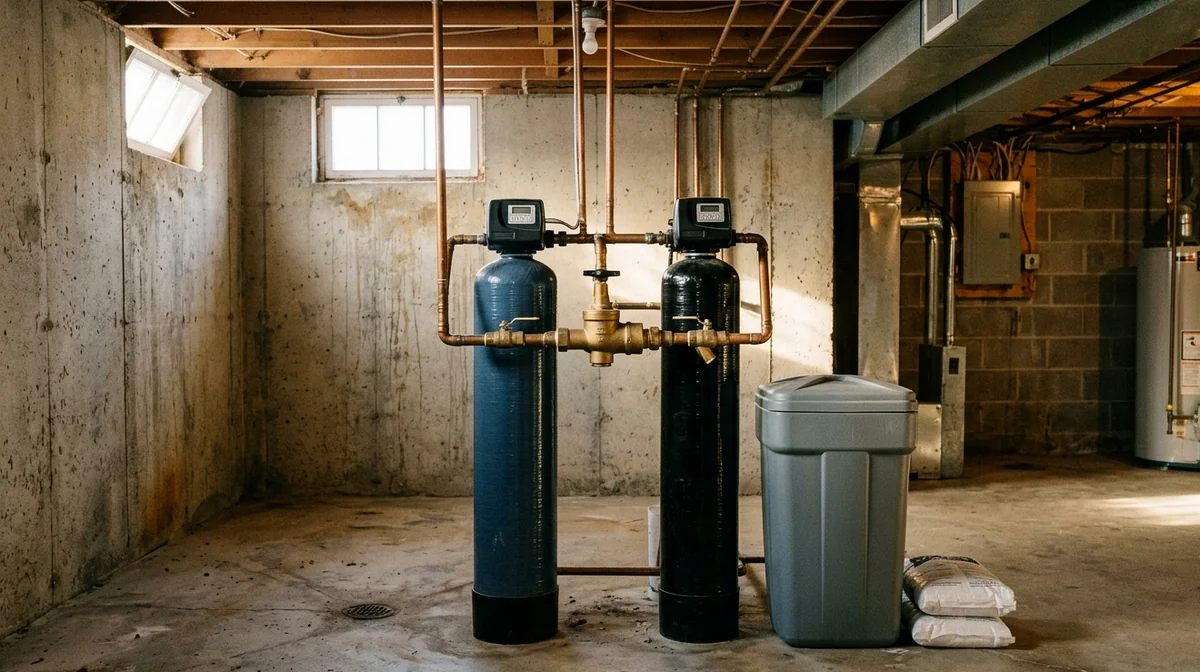
Well water treatment means testing your private well, then installing equipment like sediment filters, water softeners, iron filters, UV disinfection or neutralizers that target what the test finds. Typical costs in the Hartford area run about $385 to $4,960 depending on the system. We answer 24/7, come out to look over your water and quote the full price before work starts.
Private well owners are responsible for testing their own water. A good test covers bacteria, nitrate, pH, hardness, iron, manganese and other items your local health district or a state-approved testing lab recommends, such as arsenic or radon in some areas. Without a test, buying equipment is guesswork, and the wrong system can make problems worse or waste money.
We go over the lab report with you and explain what each number means for your plumbing and fixtures. If a result is a health concern, such as bacteria or high arsenic, we explain the treatment options and recommend retesting after installation. For stains, odor and scale, we match equipment to the levels the test shows.
Sediment filters catch sand and grit before it reaches fixtures and other equipment. Water softeners exchange calcium and magnesium for sodium or potassium to stop scale. Iron filters use oxidation and a filter bed to remove iron and manganese that cause staining. Acid neutralizers raise the pH of acidic water that eats copper pipe and leaves blue-green stains.
Ultraviolet disinfection uses UV light to inactivate bacteria and other microorganisms as water flows past a lamp; it needs clear water to work, so a sediment filter goes ahead of it. Hydrogen sulfide odor may need aeration, oxidation or carbon. Many homes need two or three systems in the right order to handle more than one issue.
We install treatment equipment after the pressure tank, usually in the basement, with a bypass valve so you can isolate it for service. Backwashing systems like softeners and iron filters need a drain line and an outlet. We route the drain properly and keep it from discharging where it could harm a septic system when that is a concern.
Every system needs maintenance, and skipping it is the most common reason treatment stops working. Softeners need salt, filters need cartridges or media replacement, and UV lamps need replacing on a schedule. We explain what each part needs and how often. Retesting the water after installation confirms the system is doing its job, and testing every year or so keeps an eye on changes.
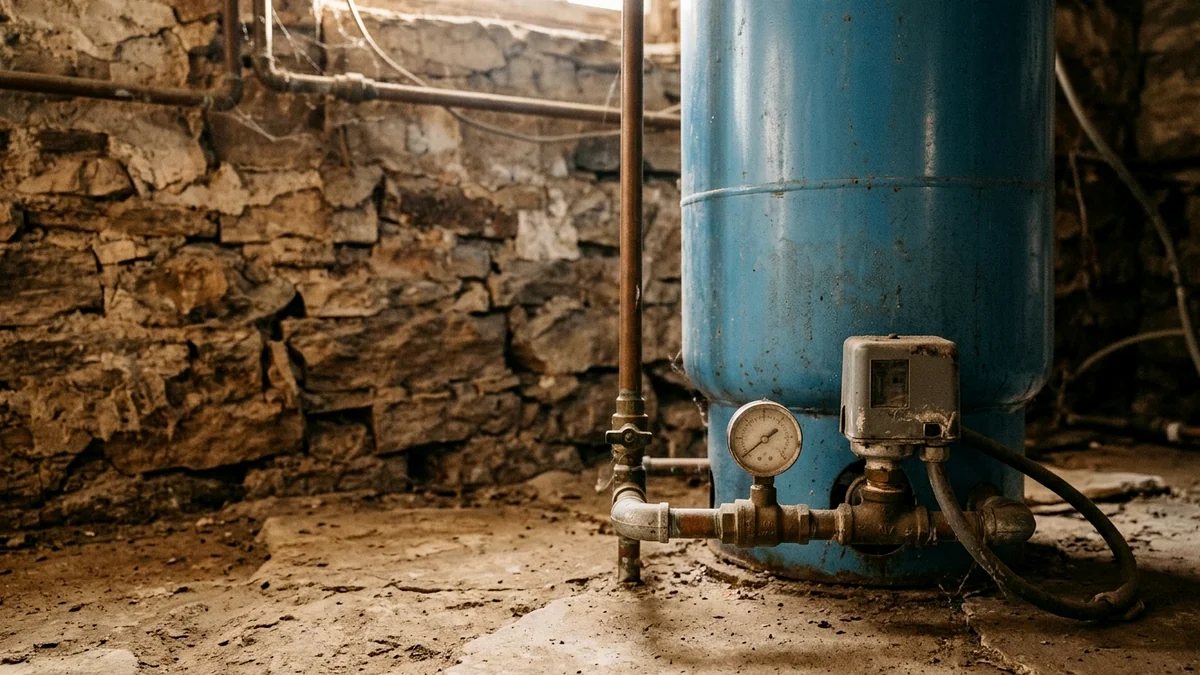
Private wells are common east of the river in Vernon, Ellington, Tolland, Coventry and Bolton, and water quality varies from one well to the next. Some wells show iron and manganese staining, others hardness, others acidic water that pits copper pipe. Homes in Hartford and the MDC member towns use public water, which is soft and treated by the utility, so this work is mostly for well owners.
The number of contaminants, system type and size and the drain setup move the price. Typical Hartford-area range, confirmed on site before work starts. Compare all prices.
Process
We go over your test results or help you arrange a test with a state-approved lab.
We match systems to your results and quote the full price before work starts.
We plumb in the systems with a bypass and drain, in the right order.
We start the systems, set them, explain upkeep and clean up the area.
FAQ
Yes. A lab test tells you what is in the water, so the treatment fits the problem. Treating iron when the real issue is acidity, or skipping a bacteria test, can cost money and leave a health concern untreated. Your local health district can point you to state-approved labs, and we walk through the results with you.
Usually, yes, once we know the cause. The smell often comes from hydrogen sulfide in the well or from a reaction inside the water heater. Treatment options include aeration, oxidation and carbon, and sometimes a water heater anode change. A test and a quick check of hot versus cold water help narrow it down.
Softener backwash adds salt water to the drain. Properly sized and set softeners are often used on homes with septic systems, but some homeowners prefer to discharge the backwash elsewhere where allowed. We size and set the softener to keep backwash volume reasonable and talk through drain options.
Related work
If you like your water but not its taste, smell or grit, a whole-house filter treats it right where it enters the home. Every faucet, shower and appliance gets...
Learn moreWhen the taps go dry on a house with a private well, the cause is usually the pump, the pressure switch or the controls. We track it down and get water flowing again.
Learn moreA pressure tank that has lost its air cushion makes your well pump start every time you open a faucet. That wears the pump out, and replacing the tank is far...
Learn moreA plumber answers, day or night, and gives you a price before any work starts.