Sewer Camera Inspection
The main keeps clogging and nobody can tell you why, or you are about to buy an older house and want to know what is under the floor. A camera answers that...
Learn moreBoilers & specialty
Before you buy an older house, or after you have lived in one for years, it helps to know what is behind the walls. A plumbing inspection tells you what is working, what is aging and what needs attention soon.
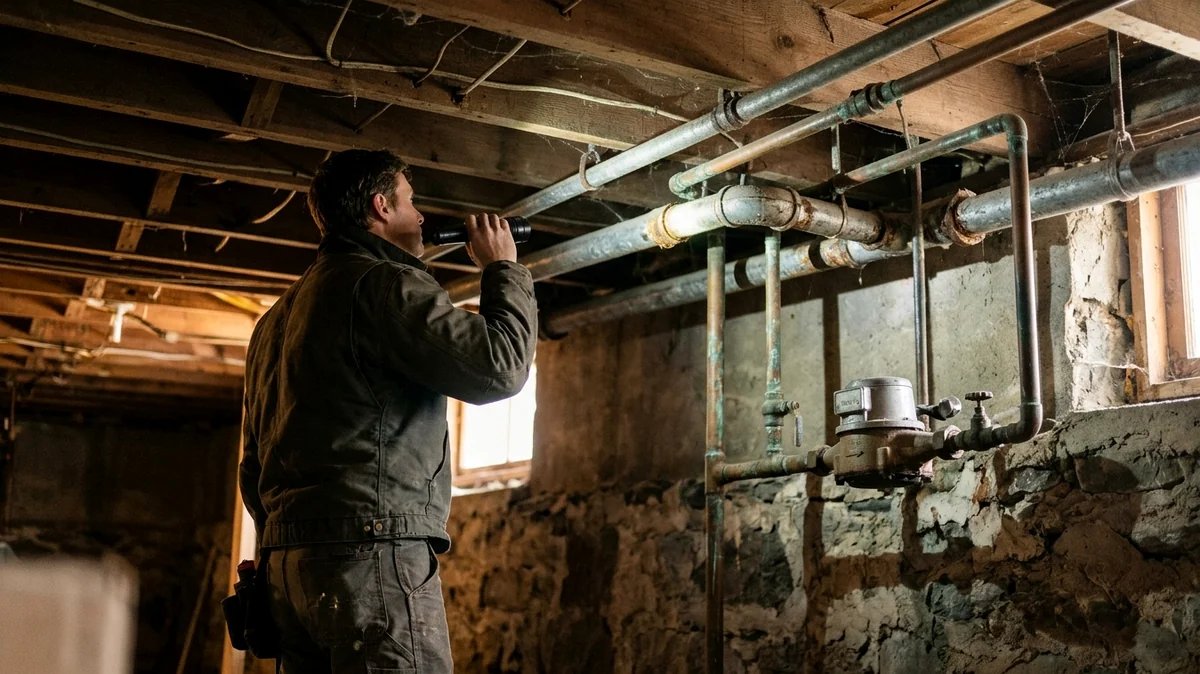
A home plumbing inspection is a visit where we check supply pipes, drains, water heater, fixtures, shut-offs, gas lines and the boiler where present, with an optional sewer camera inspection. Typical Hartford-area costs run about $185 to $585. We answer 24/7, schedule around closing dates and quote the price before work starts.
We start at the water service: the pipe material where it enters the house, the main shut-off, the meter and the pressure. Then we follow the supply pipes, noting galvanized, copper, PEX or lead, and look for corrosion, leaks and old repairs. Every fixture gets checked for flow, drainage and leaks, along with toilets, shut-off valves and water heater connections.
Drains, vents and the building sewer are next. We look at cast-iron stacks for rust and cracks, check traps under sinks and look for improper connections. We also check gas pipes for proper support and connectors, and boilers or water heaters for venting, relief valves and age. Sump pumps and wells get a look where present.
The sewer line from the house to the street is one of the most expensive parts of the plumbing to repair, and it is hidden underground where no walk-through can see it. A camera inspection runs a waterproof camera through the line from a cleanout to find root intrusion, cracks, offset joints, sags that hold water, and old clay or cast-iron pipe nearing the end of its life.
For buyers, a camera inspection can reveal problems that do not show up in a basement walk-through, such as a collapsed section near the curb. We provide a recording and explain what we see, including the pipe material, its condition and whether repairs may be needed soon. A cleanout access point is needed; if there is none, we explain the options, including pulling a toilet.
After the inspection, we give you a clear written summary: what is in good shape, what is aging and should be planned for, and what needs repair soon. We explain the reasoning behind each item and give typical price ranges where helpful, so you can plan a budget or negotiate with confidence. Photos of the key findings are included so you can share them with your agent or family.
We do not pad reports with items that do not matter. For buyers, the report helps with negotiation or planning after closing. For owners of older two- and three-family houses, it can serve as a baseline for maintenance and capital planning. We can follow up with repairs if you want, but there is no pressure.
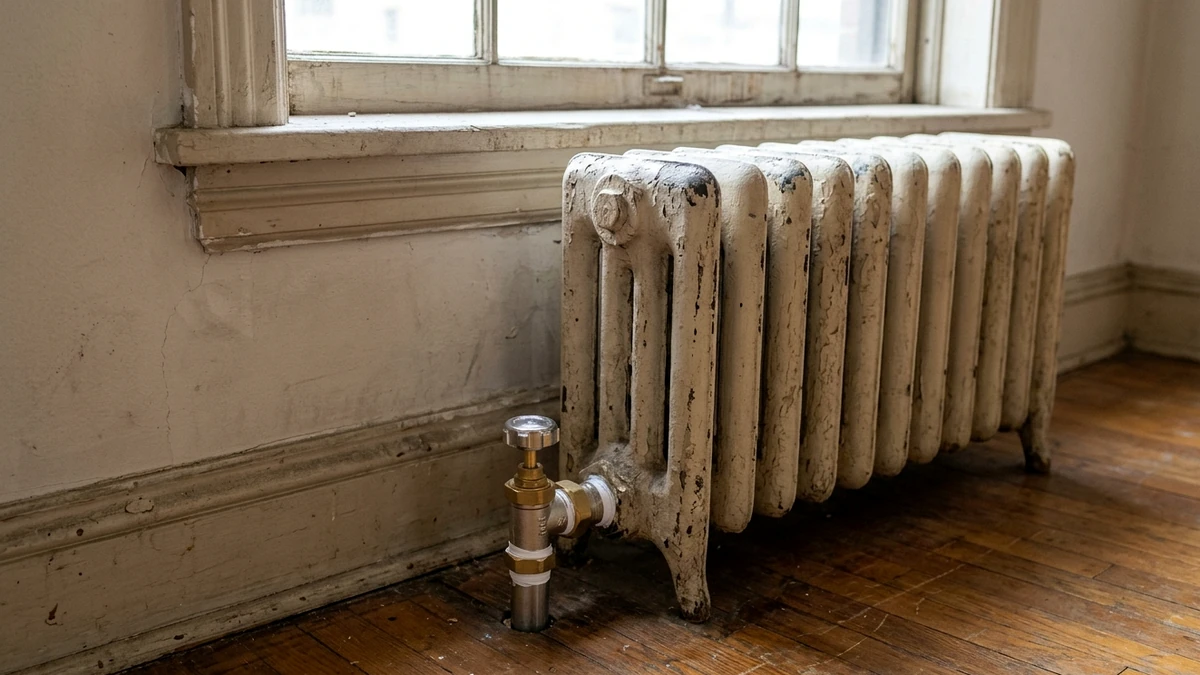
Many Hartford-area homes for sale are pre-1940 two- and three-family houses with a mix of original and updated plumbing: cast-iron stacks, galvanized supply pipe, old boilers and radiators and sometimes lead service lines. Older sewer laterals may be clay or cast iron. Homes east of the river in Vernon, Ellington and Tolland often have wells and septic systems, which need their own evaluation alongside the plumbing.
House size, the number of units, access and whether a sewer camera inspection is added move the price. Typical Hartford-area range, confirmed on site before work starts. Compare all prices.
Process
Call (860) 926-8723 and tell us about the property and any deadlines.
We check supply, drains, fixtures, heaters, gas, boiler and optional sewer camera.
We walk through what we found and explain priorities and typical prices.
We quote any repairs before work starts and leave the property as we found it.
FAQ
Yes. A general home inspector looks at the whole house and may flag plumbing items for further evaluation. A plumbing inspection goes deeper into pipes, drains, heaters, gas lines and the boiler where present, and can include a sewer camera. Many buyers of older Hartford homes use both.
Most single-family inspections take one to two hours, depending on house size and how accessible the basement and fixtures are. Multi-family buildings and houses with older systems may take longer. Adding a sewer camera inspection typically adds an hour or so. We schedule enough time that nothing is rushed, and you are welcome to follow along and ask questions.
We check where the water service enters the house and can often identify lead by its look and feel. If we suspect lead, we explain what we found and suggest next steps, including water testing and checking with MDC for information on service line materials.
Related work
The main keeps clogging and nobody can tell you why, or you are about to buy an older house and want to know what is under the floor. A camera answers that...
Learn moreIf the pipe bringing water into your house is lead, every glass you pour has passed through it. Replacing that line is the most direct way to take lead out of the path.
Learn moreGalvanized steel pipe rusts from the inside out, and by the time you see brown water or a trickle at the shower, the bore is mostly scale. Replacing it is the...
Learn moreA plumber answers, day or night, and gives you a price before any work starts.