Boiler Replacement
When an old boiler is cracked, rusted through or costing a fortune in repairs, a new one sized right for the house can heat better and burn less fuel. Sizing...
Learn moreBoilers & specialty
When the boiler quits on a January night, the radiators go cold fast and the pipes are next. We repair steam and hot-water boilers, from the burner to the last radiator.
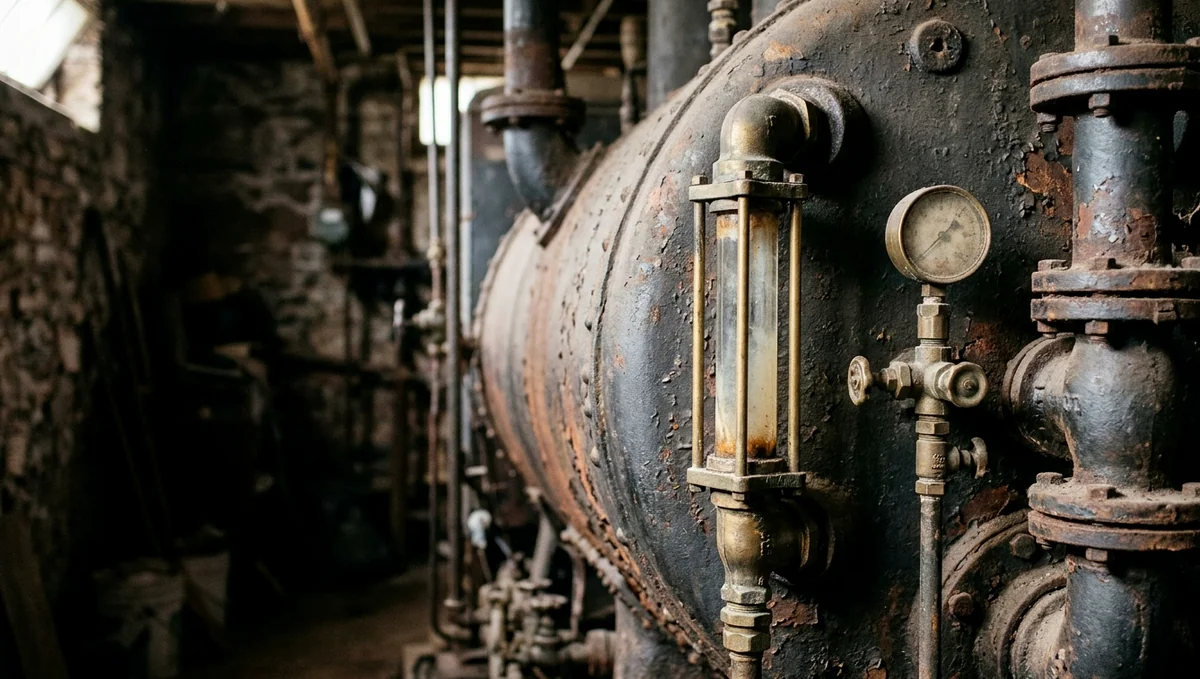
Boiler repair diagnoses and fixes no-heat, low-heat, leaking and noisy boilers, whether steam or hot water, gas or oil, including controls, circulators, low-water cutoffs, ignition and relief valves. Typical Hartford-area repairs run about $215 to $1,860. We answer 24/7, send a plumber fast in cold weather, and quote the price before any work starts.
Hot-water (hydronic) boilers heat water and pump it through radiators or baseboard. The most common failures are circulator pumps that stop turning, zone valves that stick, air trapped in the system and low pressure from a leak or a failed fill valve. A typical system runs around 12 to 15 psi cold; much higher can mean a waterlogged expansion tank or a failing fill valve.
We check the circulator for power and rotation, bleed air from high points, test the zone valves and check the fill and relief valves. A relief valve that drips can mean system pressure is too high, which points to the expansion tank or the fill valve. Fixing the cause matters, because replacing only the relief valve rarely ends the problem.
Many older Hartford homes and multi-family buildings heat with steam. Steam boilers need the right water level in the sight glass, a working low-water cutoff and a pressuretrol set low, often just a pound or two. Common issues include a stuck low-water cutoff, a dirty sight glass, a cracked section, a failing pressuretrol and air vents that stick shut or spit water.
Banging pipes usually come from water trapped in steam mains or radiators that are pitched wrong, or from a boiler water level that is too high. Uneven heat often comes from failed main vents or radiator vents. We check water level, skim or flush dirty water when needed, test the safety controls and replace vents so the steam reaches every room.
On gas boilers, we check the ignition system, flame sensor, gas valve, draft and venting, along with the wiring to the thermostat. On oil boilers, the nozzle, filter, electrodes and the oil supply are common trouble spots. A burner that lights and shuts off repeatedly may have a dirty flame sensor, a weak igniter or a venting problem the safety controls detect.
Safety controls protect the boiler and your home, so we never jumper or bypass them. If a boiler shows signs of a cracked heat exchanger, flue gas spilling or a carbon monoxide problem, we shut it down and explain why. Every home with a fuel-burning boiler should have working carbon monoxide alarms, and we remind you to test them.
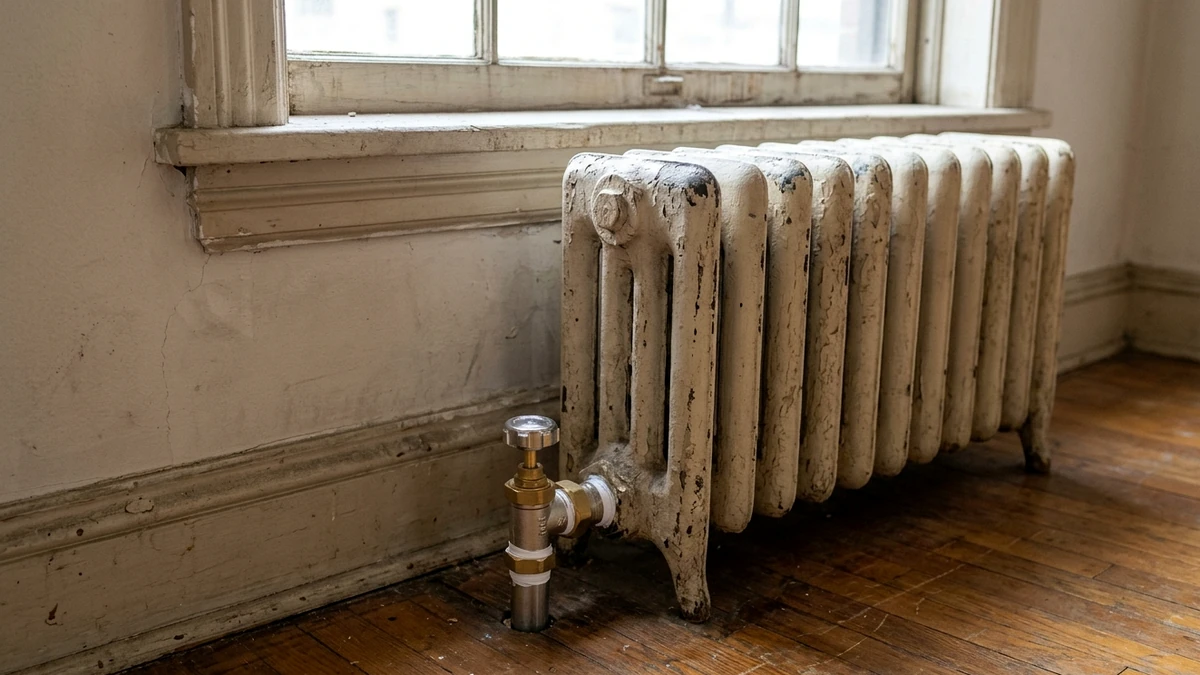
Hartford has a large stock of older two- and three-family houses and brick Perfect Six buildings with steam or hot-water boilers and cast-iron radiators. Many systems are decades old, with original piping and newer boilers connected over time. Cold January and February nights put the most strain on them, and a dead boiler can freeze pipes in hours if a house is left unheated.
A vent, sensor or control fix costs less; circulators, gas valves, low-water cutoffs or section repairs cost more. Typical Hartford-area range, confirmed on site before work starts. Compare all prices.
Process
Call (860) 926-8723 any hour and tell us what the boiler and gauges are doing.
We check controls, burner, pump or water level, pressure and venting.
We fix or replace the failed part, quoting the price before work starts.
We run the boiler through a full heat cycle, check every zone and clean up.
FAQ
Often, yes. Many failures are controls, pumps, vents or valves, which cost far less than a new boiler. If the boiler has a cracked section, a failed heat exchanger or keeps needing major repairs, replacement may make more sense. We explain the repair price and the boiler's condition so you can decide.
Banging usually comes from trapped water in pipes or radiators, often because a radiator or main has lost its pitch or the boiler water level is too high. It is common in older Hartford steam systems. We check water level, radiator pitch and vents, and adjust so steam and condensate flow smoothly.
We answer 24/7 and send the next available plumber for no-heat calls in cold weather. While you wait, close windows, open cabinet doors on outside walls and use safe space heaters if you have them. If you smell gas or a CO alarm sounds, leave the house and call the gas utility or 911 first.
Related work
When an old boiler is cracked, rusted through or costing a fortune in repairs, a new one sized right for the house can heat better and burn less fuel. Sizing...
Learn moreOne cold room, a radiator that hisses and spits, or a puddle under a baseboard can make the whole heating system feel broken. Usually the problem sits at that...
Learn moreYour house already has a hot-water boiler, but domestic hot water comes from a tankless coil that runs lukewarm or a separate heater burning fuel on its own....
Learn moreA plumber answers, day or night, and gives you a price before any work starts.