Water Service Line Repair
The pipe that carries water from the street into your basement has sprung a leak, lost pressure or started pushing water up through the lawn. It is buried, it...
Learn morePipes & gas
If the pipe bringing water into your house is lead, every glass you pour has passed through it. Replacing that line is the most direct way to take lead out of the path.
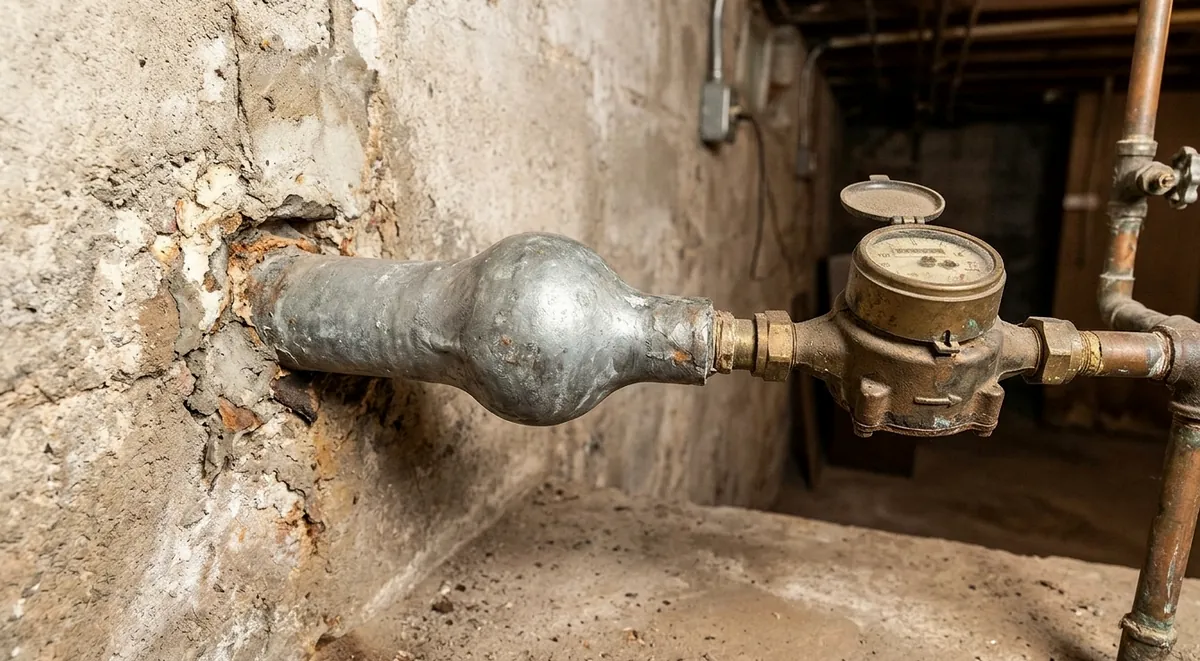
Lead service line replacement removes the old lead pipe that carries water from the street connection into your home and installs new copper or polyethylene tubing, plus a new main shut-off. Typical Hartford-area costs run about $2,940 to $8,760 for the private side. We answer 24/7, schedule a site visit to confirm the pipe material, and quote the full price before work starts.
A lead service line is the pipe, often a half-inch to one inch across, that runs from the water main under the street to your meter. Lead can dissolve or flake into water as it sits in the line, especially when water has been still overnight or when the line is disturbed by street work. No safe level of lead exposure has been identified, particularly for children and pregnant people.
Water utilities treat water to reduce corrosion, but the only way to remove the source is to remove the pipe. Until a line is replaced, running cold water for a few minutes after it has sat, using cold water for drinking and cooking, and using a filter rated for lead reduction are common precautions. MDC has information on service line materials and testing for its customers.
Start where the water line comes through the basement wall or floor, before the meter. Gently scratch the pipe with a coin or key. Lead is soft, scratches to a shiny silver, and a magnet will not stick to it. Galvanized steel is hard and magnetic. Copper scratches to a bright penny color. Many old services also show a rounded wiped joint where lead was joined to the house plumbing.
Ownership of a service line is often split, with one section belonging to the utility and the section on private property belonging to the owner. Before we price anything, we confirm what you have and which section is yours, so you know what the replacement covers. We do not promise program funding or rules that the utility has not published; we point you to MDC for those.
There are two main methods. Open trench means digging along the route from the curb to the foundation, laying new pipe at proper depth below the frost line, and backfilling. Pull or burst methods use small pits at each end and draw the new line through the path of the old one, which saves lawns, walkways and driveways. Site conditions and the old pipe decide which works.
Before any digging, utilities are marked through Call Before You Dig at 811. At the house, we install a new full-port main shut-off valve and connect to the existing plumbing with proper fittings. Afterward, we flush the house lines thoroughly, because disturbing a lead service can release particles. We recommend testing your water after replacement and give you guidance on how.
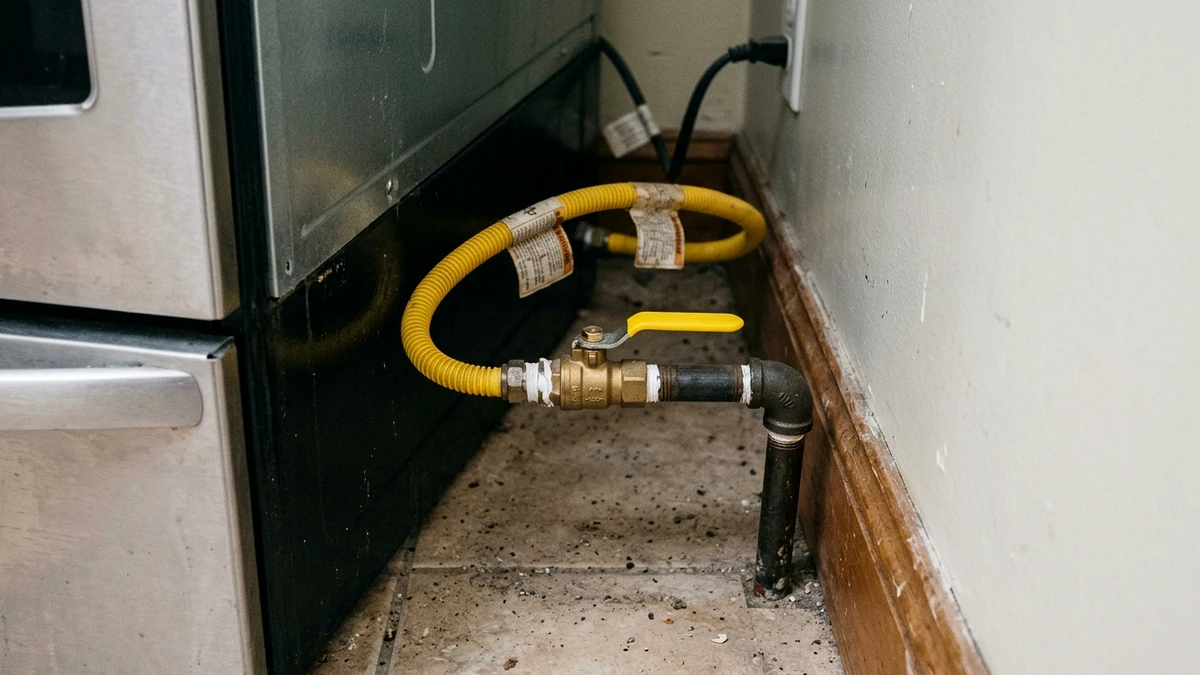
Hartford has a large stock of homes built before lead services were phased out, including many two- and three-family houses across the North End, the South End and Asylum Hill. MDC serves Hartford and its member towns and has information about service line materials. Our cold winters mean a new line has to sit below frost depth, and some downtown and older streets have tight curb strips and old walks that favor a pull method over a long trench.
The length of the private section, its depth, what sits on top (lawn, walk or driveway) and the method used move the price. Typical Hartford-area range, confirmed on site before work starts. Compare all prices.
Process
We inspect where the service enters the house, confirm the material and figure out which section is private.
We pick the trench or pull method, arrange 811 markings and quote the full price before work starts.
We install new copper or polyethylene below frost depth and fit a new main shut-off valve inside.
We flush every tap, backfill and tidy the yard, and explain post-replacement water testing.
FAQ
Check the pipe where water enters your basement, before the meter. If it is soft, dull gray, scratches to shiny silver and a magnet does not stick, it may be lead. Homes built before the 1950s are the most likely to have it. We can confirm the material during a visit, and MDC has information about service line materials for its customers.
Not always. When the old pipe and soil allow it, we use a pull or burst method with a small pit near the curb and one at the foundation, then draw new pipe through the old path. When rocks, bends or old repairs block that, an open trench is the reliable option. We explain which method fits your property before we quote.
Disturbing a lead line can release particles for a while, so we flush the plumbing thoroughly after the work. It is wise to keep using cold water for drinking and cooking, clean faucet aerators, and test your water after replacement. Lead solder or older brass fixtures inside the home can also contribute, which a test can help reveal.
Related work
The pipe that carries water from the street into your basement has sprung a leak, lost pressure or started pushing water up through the lawn. It is buried, it...
Learn moreWhen a pipe breaks, the main shut-off is the one valve that has to work. In a lot of older houses it is a crusty gate valve that has not turned in years, or it...
Learn moreIf you like your water but not its taste, smell or grit, a whole-house filter treats it right where it enters the home. Every faucet, shower and appliance gets...
Learn moreA plumber answers, day or night, and gives you a price before any work starts.